How to Choose a Bike Helmet: Certification, Fit, and Features That Matter
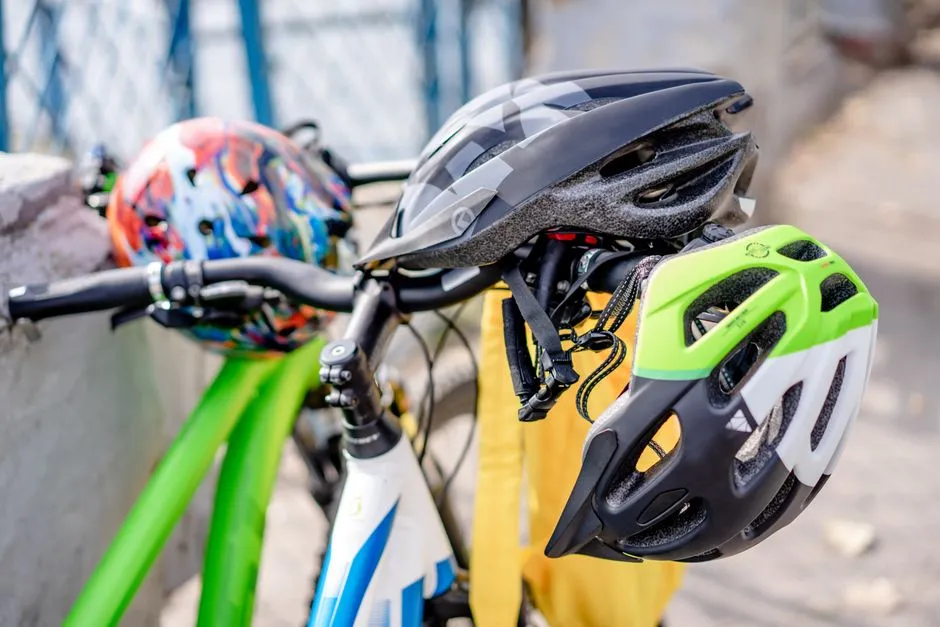
- The Short Version: What Actually Matters in a Helmet
- Certification: The Non-Negotiable First Filter
- Fit: The Difference Between Wearing a Helmet and Being Protected by One
- Helmet Types: Match the Lid to the Riding
- MIPS and Rotational-Impact Systems: Worth It, With Caveats
- Features That Earn Their Price (and Ones That Don't)
- What to Spend: A Realistic Price Ladder
- Every Helmet Has an Expiration Condition
- The Buying Checklist
The Short Version: What Actually Matters in a Helmet
Choosing a bike helmet comes down to four decisions, in this order:
- Certification. In the US, the helmet must carry a CPSC certification sticker. No sticker, no sale — everything else is secondary. Helmets sold in Europe carry EN 1078; Australia and New Zealand use AS/NZS 2063.
- Fit. A certified helmet that sits crooked, rocks around, or rides high on your forehead protects you far less than it should. Fit is where most buyers go wrong, and it's fixable for free.
- Type. Road, commuter, mountain, and full-face helmets are shaped for different crashes and different climates. Match the helmet to the riding you actually do.
- Features. Rotational-impact systems like MIPS, ventilation, weight, and visibility extras are where price differences come from. Some are worth paying for; some genuinely aren't.
Here's the reassuring part: because certification sets a mandatory safety floor, a properly fitted $50 helmet is a legitimately safe helmet. Spending more buys comfort, lower weight, better ventilation, and added protective features — not permission to skip the fundamentals. The rest of this guide walks through each decision so you can buy once and buy right.
Certification: The Non-Negotiable First Filter
Every legitimate bike helmet sold in the US must meet the Consumer Product Safety Commission (CPSC) standard. That's federal law, not a marketing badge. The standard tests impact absorption, strap strength, and coverage, and a helmet either passes or it doesn't get sold — legally, anyway.
Where this matters in practice:
- Buying from a bike shop or established retailer: you're fine. Certified helmets are the only kind they carry.
- Buying from online marketplaces: be careful. Ultra-cheap helmets from unfamiliar brands on marketplace listings sometimes ship without genuine certification. Look for the CPSC sticker inside the helmet, and treat a missing or vague label as a hard pass.
- Buying overseas or secondhand: EN 1078 (Europe) and AS/NZS 2063 (Australia/NZ) are legitimate equivalents. Secondhand helmets are a different story — you can't verify crash history, and a helmet that has taken one impact is done. We don't recommend used helmets, ever.
One more label worth knowing: NTA 8776 is a Dutch standard written for faster e-bikes, with more coverage and higher-speed impact testing. If you ride a Class 3 e-bike that cruises at 28 mph, a helmet certified to NTA 8776 is worth seeking out.
Worth knowing: certification is pass/fail. A sticker tells you a helmet cleared the bar — it doesn't rank helmets against each other. Independent programs like Virginia Tech's helmet ratings attempt that comparative job, and they're a useful supplementary signal when you're choosing between certified options.
Fit: The Difference Between Wearing a Helmet and Being Protected by One
A helmet manages crash energy by crushing its foam liner in a controlled way. That only works if the helmet is positioned over the parts of your head that hit the ground — which is why fit is a safety feature, not a comfort preference.
Getting the size right
Measure the circumference of your head with a soft tape (or a string you then measure) about an inch above your eyebrows, around the widest part of the back of your skull. Compare that number to the manufacturer's size chart — sizing varies between brands, so measure every time rather than assuming you're "a medium."
Between sizes? Start with the smaller one. The adjustment dial can open up a snug helmet, but a too-big shell will always rock.
The three-point fit check
- Level: the helmet sits level on your head, roughly one to two finger-widths above your eyebrows. Tilted back with your forehead exposed is the most common — and most dangerous — mistake.
- Snug: with the dial adjusted and straps still unbuckled, shake your head. The helmet should move your scalp with it, not slide independently.
- Buckled: the straps form a V just below each ear, and the buckled chin strap lets in one or two fingers — no more. If you can pull the helmet off backward while buckled, keep adjusting.
We've got a full step-by-step fit check that walks through each adjustment in detail, including what to do when a helmet fits your circumference but not your head shape.
Worth knowing: head shapes vary more than size charts admit. Some brands run rounder, some more oval, and no amount of dial-cranking fixes a shape mismatch — you'll feel pressure points at the temples or forehead within twenty minutes. If a helmet creates hot spots in the store, it will create worse ones at mile ten. Try a different brand rather than a different size.
Helmet Types: Match the Lid to the Riding
Helmet categories exist because crashes and conditions differ. Here's how the main types compare:
| Type | Best for | Typical traits | Typical price range* |
|---|---|---|---|
| Road | Fitness rides, long distances | Light, maximum venting, no visor | $50–$250+ |
| Commuter / urban | Daily city riding | More rear coverage, light mounts, muted styling | $40–$150 |
| Mountain (half-shell) | Trail riding | Extended rear coverage, adjustable visor | $50–$200 |
| Full-face | Downhill, bike park | Chin bar, maximum coverage, heavier and hotter | $100–$400+ |
| E-bike (NTA 8776) | Faster e-bikes | More coverage, tested at higher impact speeds | $60–$200 |
*Editorial ranges based on typical retail pricing; actual prices vary by retailer and season.
A few practical notes on choosing:
- Commuters benefit most from rear coverage, a rear light mount (or integrated light), and styling you'll actually wear with work clothes. Ventilation matters less at city speeds. Our roundup of the best commuter bike helmets digs into specific picks.
- Road riders pay for grams and airflow. That's rational on a three-hour climb and mostly irrelevant on a two-mile errand run.
- Mountain bikers should treat the visor and extended rear coverage as functional, not cosmetic — trail crashes hit the back and sides of the head more often than road tumbles do.
- Crossover use is fine. A commuter helmet on a weekend road ride, or a trail half-shell on your commute, protects you just as certification promises. Buy for your most frequent ride.
Worth knowing: "urban" styling — skate-inspired hard shells with minimal vents — looks great and often adds durability against daily knocks, but those helmets run noticeably hot in summer. If your commute involves real effort or real heat, prioritize vents over aesthetics.
MIPS and Rotational-Impact Systems: Worth It, With Caveats
Walk into any shop and you'll see the little yellow MIPS logo on half the wall. Here's the honest version of what it means.
Real-world crashes rarely deliver a perfectly straight impact. Oblique hits impart rotational motion to the head, which research links to concussion and other brain injury. MIPS — and competing approaches like Trek's WaveCel, POC's SPIN, and various in-molded slip-plane designs — add a mechanism that lets the helmet shift slightly relative to your head during those first milliseconds, aiming to redirect some of that rotational energy.
The evidence, stated plainly:
- Supportive: lab testing, including independent programs like Virginia Tech's ratings, consistently scores helmets with rotational-management systems well. The biomechanical reasoning is sound.
- Not a magic shield: no helmet prevents concussion, and the real-world injury-reduction margin is hard to measure precisely. Treat rotational protection as a meaningful incremental improvement, not a force field.
- The price gap has collapsed. MIPS once added $50+ to a helmet's price. Today the premium is often $10–$20, and plenty of helmets in the $60–$80 range include it.
Our position: at today's prices, choose the rotational-impact version when the helmet otherwise fits well. But never pick a poorly fitting MIPS helmet over a well-fitting non-MIPS one — fit contributes more to real-world protection than the liner technology does. For the full breakdown of how these systems work and where the money goes, see our MIPS vs non-MIPS comparison.
Worth knowing: some riders find MIPS liners slightly reduce ventilation or interact awkwardly with ponytails and glasses arms. Minor issues, but real ones — another reason to try before buying when you can.
Features That Earn Their Price (and Ones That Don't)
Once certification, fit, and type are settled, features explain most of the remaining price difference. Ranked by how much they matter for everyday riders:
Usually worth paying for
- A good fit system. A dial-adjust retention cradle with vertical adjustment is the single biggest comfort upgrade over bare-bones helmets. Cheap helmets skimp here first.
- Rotational-impact liner (MIPS or equivalent). Covered above — a modest premium for a plausible safety gain.
- Rear light mount or integrated light. For commuters, a helmet-height rear light adds a second visibility point above traffic sightlines. Integrated USB-rechargeable lights are genuinely convenient; just check the light is replaceable or the battery is serviceable.
- Reflective details. Free visibility at night. More is better.
Situationally worth it
- Ventilation and weight. Critical for long, hard, hot rides; barely noticeable on short commutes. Pay for it in proportion to your sweat.
- Visor. Functional on trails and in low sun; a matter of taste in the city.
- Crash-replacement programs. Several major brands discount a replacement helmet after a documented crash. Worth checking before you buy, since every crashed helmet must be replaced anyway.
Mostly marketing
- Aero claims for anyone not racing.
- Premium colorways at a $30 upcharge — though bright, visible colors beat murdered-out black for city riding, and that consideration is free.
- App-connected crash sensors are promising in concept but add cost and battery-charging friction; treat them as a bonus, not a buying criterion.
What to Spend: A Realistic Price Ladder
Prices vary by retailer and time of year, but the market breaks into recognizable tiers:
| Tier | Typical range* | What you get | Who it's for |
|---|---|---|---|
| Entry | $40–$60 | Full certification, basic dial fit, decent venting, MIPS increasingly common | Casual riders, budget commuters |
| Mid-range | $60–$120 | Better fit systems, lighter shells, rotational liners standard, light mounts | Most daily riders — the value sweet spot |
| Premium | $120–$250+ | Top-tier ventilation, lowest weight, refined fit, top lab scores | High-mileage riders, racers, heat sufferers |
*Editorial ranges; prices vary by retailer.
Our honest take: the $60–$120 mid-range is where most riders should land. Below it you give up fit refinement and sometimes rotational protection; above it you're buying grams and airflow that shine on long rides but do little for a 20-minute commute.
Every Helmet Has an Expiration Condition
Two rules that apply to every helmet at every price:
- One crash and it's done. The foam liner is single-use by design — it protects you by crushing. Damage isn't always visible from the outside, so any helmet that has taken a real impact gets replaced, full stop. This is also why we never recommend secondhand helmets.
- Age retires helmets too. Foam, straps, and shell materials degrade with UV exposure, sweat, and heat. Most manufacturers suggest replacement in the range of five years or so of regular use; a garage-queen helmet lasts longer than one that lives on a sweaty commuter, but no helmet lasts forever.
Sun-faded shells, compressed or crumbly foam, frayed straps, and a fit system that no longer holds tension are all signs the clock has run out. We cover the specifics — including the ambiguous cases like dropped helmets and hot-car storage — in our guide to when to replace a bike helmet. Factor replacement into your budget: a helmet is a consumable with a long service interval, not a lifetime purchase.
The Buying Checklist
Take this with you, whether you're in a shop or scrolling listings:
- CPSC sticker (or EN 1078 / AS/NZS 2063 abroad; NTA 8776 for fast e-bikes)
- Measured your head, checked this brand's size chart
- Sits level, one to two fingers above the eyebrows
- Snug with the dial before buckling; no rocking
- V-straps under the ears; two fingers max under the chin strap
- No pressure points after several minutes of wear
- Type matches your main riding
- Rotational-impact liner if the fit is right
- Bright color or reflective details for traffic riding
- Light mount if you commute in the dark
- You know its replacement rules: any crash, or roughly five years
Buy certified, fit it carefully, replace it when it's earned retirement — and the helmet will do its one job on the day you need it. That's the whole game.