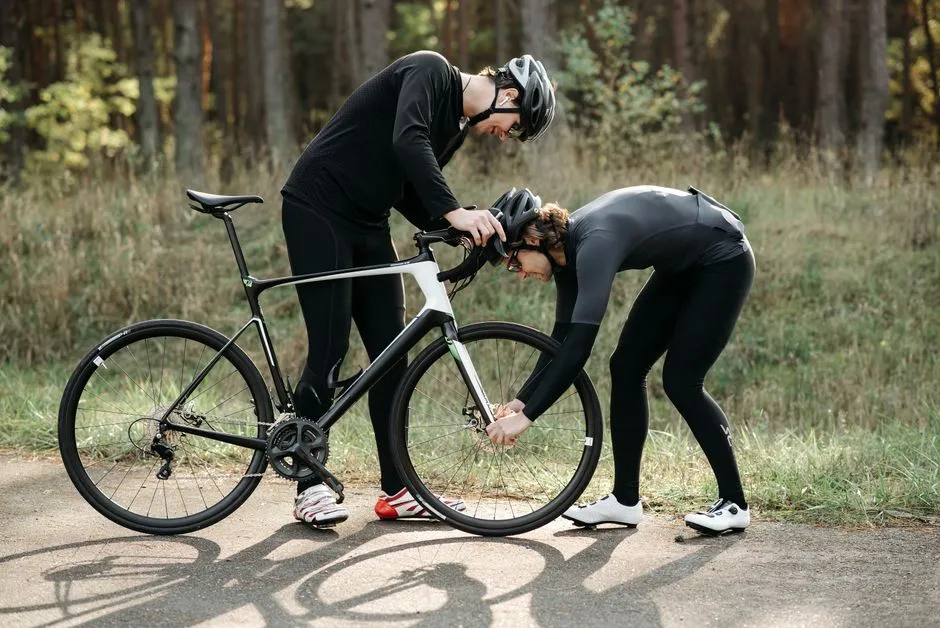
Helmets & Safety
The Best Commuter Bike Helmets: Certified Lids for Daily City Riding
The best commuter bike helmet for most riders is the Specialized Align II MIPS: it pairs CPSC certification and MIPS rotational protection with a dial fit…
Start with a recognized certification and a fit that stays level and secure, then compare ventilation, adjustment, weight, and visibility. Replace any helmet after a crash impact, and describe rotational-impact layers without claiming they prevent injury.
The best commuter bike helmet for most riders is the Specialized Align II MIPS: it pairs CPSC certification and MIPS rotational protection with a dial fit…
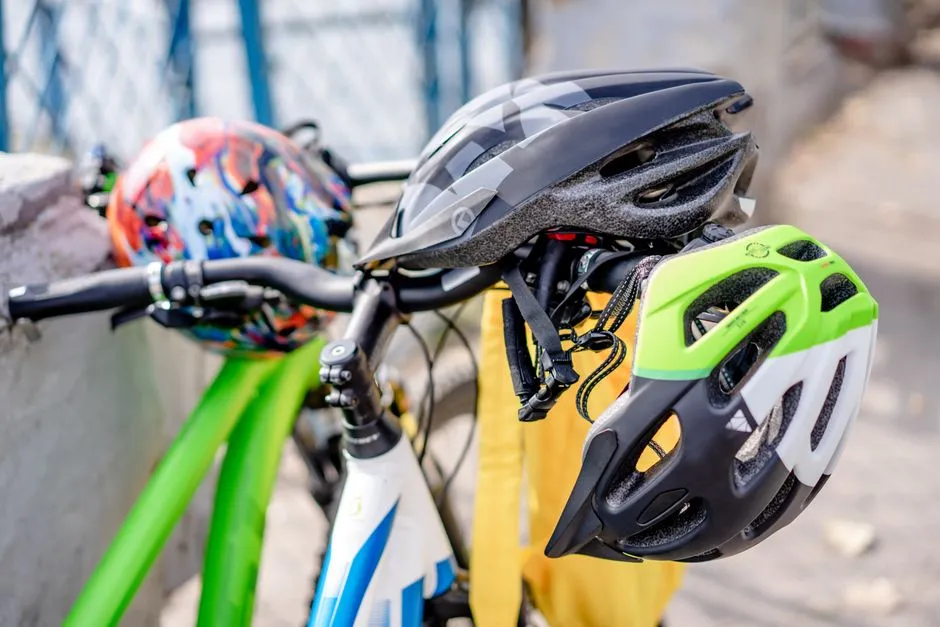
Choose a bike helmet in four steps: confirm certification (CPSC in the US; EN 1078 or AS/NZS 2063 elsewhere), get the fit right — level on your head, snug…
CPSC and MIPS aren't competing standards, so you never choose between them.
A bike helmet should sit level on your head with the front edge one to two finger-widths above your eyebrows, never tilted back.

Size a kids' bike helmet by head circumference, not age. Wrap a soft tape around the widest part of the head, about a finger-width above the eyebrows, and…
MIPS adds a low-friction liner that lets the helmet slide 10-15 mm during an angled impact, redirecting rotational energy linked to concussion.
MIPS stands for Multi-directional Impact Protection System. It's a thin, low-friction liner inside a helmet — often a yellow plastic layer — that lets the…
Replace a bike helmet immediately after any crash impact — the EPS foam crushes once to absorb energy and never recovers, even when damage is invisible.